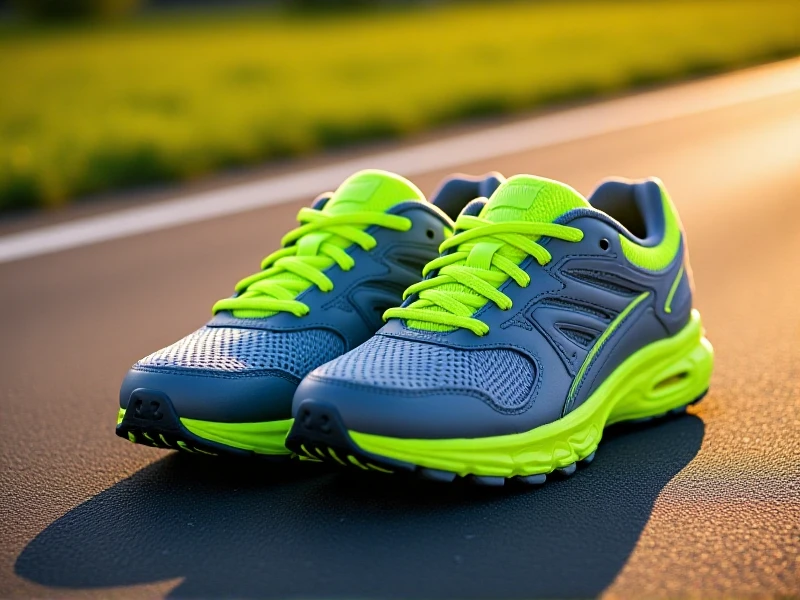
Find Your Perfect Pair: The Ultimate Guide to Running Shoes
Here is an SEO-optimized article about running shoes, adhering to your requirements:
Choosing the right running shoes is a critical decision for any runner, whether you're hitting your first mile or training for your tenth marathon. The perfect pair influences not only performance and comfort but also significantly impacts injury prevention. With countless options on the market, finding the best running shoes for your unique stride can feel overwhelming. This guide cuts through the noise.
The foundation of finding great running shoes starts with understanding your foot type and running gait. Feet generally fall into categories: neutral, overpronation (foot rolls inward excessively), or underpronation/supination (foot rolls outward). Many specialty running stores offer gait analysis – a valuable investment to pinpoint your needs. Matching your gait to the correct shoe type (like stability shoes for overpronators, cushioning-focused shoes for supinators, or neutral shoes) is essential for providing proper support where your foot demands it.
Modern running shoes are marvels of engineering, offering various features:
- Cushioning Levels: From plush, maximal cushioning designed for longer distances or joint relief to lightweight, responsive minimal cushioning preferred for speedwork.
- Stability Features: Technologies like medial posts or guide rails help control excessive inward rolling for overpronators.
- Support: A secure midfoot hold and heel counter provide essential stability and prevent slippage.
- Fit: This is paramount. Aim for roughly a thumbnail's space between your longest toe and the shoe's end. Ensure adequate width without pinching. Feet swell during running!
- Terrain: Road running shoes prioritize cushioning on hard surfaces. Trail running shoes add aggressive tread and rock protection for off-road adventures.
Running shoes aren't designed to last forever. Experts generally recommend replacing them every 300-500 miles. Worn-out cushioning and support diminish shock absorption, increasing stress on joints and the risk of injury. Pay attention to how they feel – if your legs feel unusually fatigued, sore, or less supported, it might be time for a new pair.
Investing time and research into finding your ideal running shoes pays immense dividends. It boosts your comfort mile after mile, enhances your running efficiency, and safeguards your body against unnecessary strain. Visit a reputable running store for expert advice and fitting. Your perfect pair, supporting every stride towards your goals, awaits. Don't compromise – find your perfect fit today!