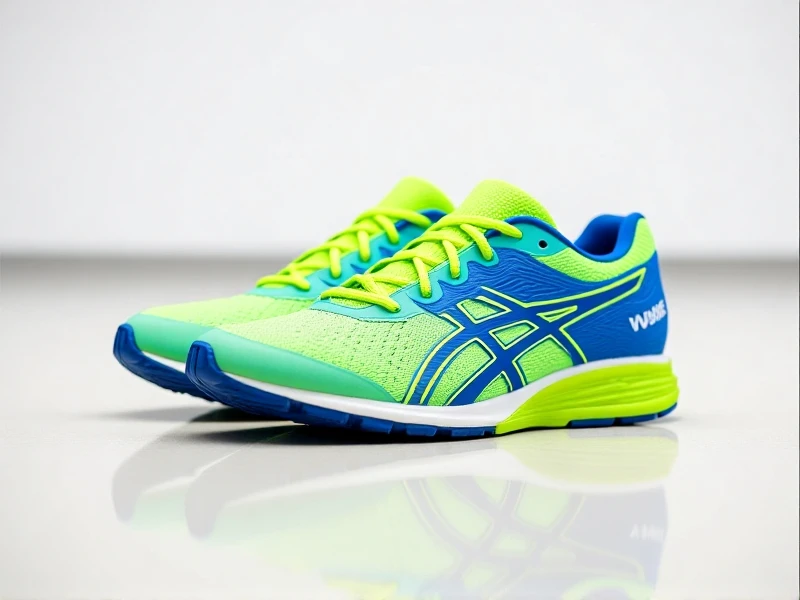
Unlock Your Best Run: The Essential Guide to Finding Your Perfect Running Shoes
Every step matters for runners, and your footwear is the critical link between you and the road or trail. Choosing the right running shoes isn't just about style; it's fundamental for optimal performance, injury prevention, and overall running enjoyment. With countless options available, understanding key features empowers you to make an informed decision.
The foundation lies in cushioning. Running generates significant impact forces. Quality running shoes incorporate midsole materials like EVA foam, PU foam, or advanced compounds (like Nike Air or Adidas Boost) to absorb shock and provide a responsive rebound. The right amount varies – minimalist runners prefer ground feel, while others seek plush protection, especially for long distances.
Equally crucial is support and stability, dictated by your foot's natural movement (your gait). Overpronators (feet rolling inward) benefit from stability shoes guiding the foot. Neutral runners often suit highly cushioned neutral shoes, while severe overpronators might need motion control shoes. Underpronators (supinators) require neutral models with extra flexibility. Consulting a gait analysis at a specialty running store is highly recommended.
Fit is non-negotiable. Your feet expand during runs. Aim for a thumb's width of space beyond your longest toe. Ensure a secure heel lock-down and wiggle room in the toe box. Width matters too – don't compromise. Ill-fitting running shoes cause blisters, black toenails, and compromise performance.
Terrain dictates type. For primarily road running, focus on cushioning. Trail running shoes offer aggressive lugs for grip, enhanced protection against rocks and roots, and often a Gore-Tex membrane for waterproofing. Cross-trainers or gym shoes lack the specific engineering for dedicated running mileage.
Replacement timing is vital. Experts recommend replacing running shoes every 300-500 miles (480-800 km). Earlier replacement may be needed based on body weight, running style, and terrain. Worn midsoles lose shock absorption, increasing injury risk. Signs include uneven sole wear, lost cushioning, or persistent aches.
Investing in proper running shoes tailored to your needs is an investment in your health and performance. Focus on foot type, running surface, cushioning preferences, and perfect fit. Visit a reputable running store for expert advice and gait analysis. Prioritize your feet, and unlock smoother, stronger, and more enjoyable runs. (Word Count: 398)