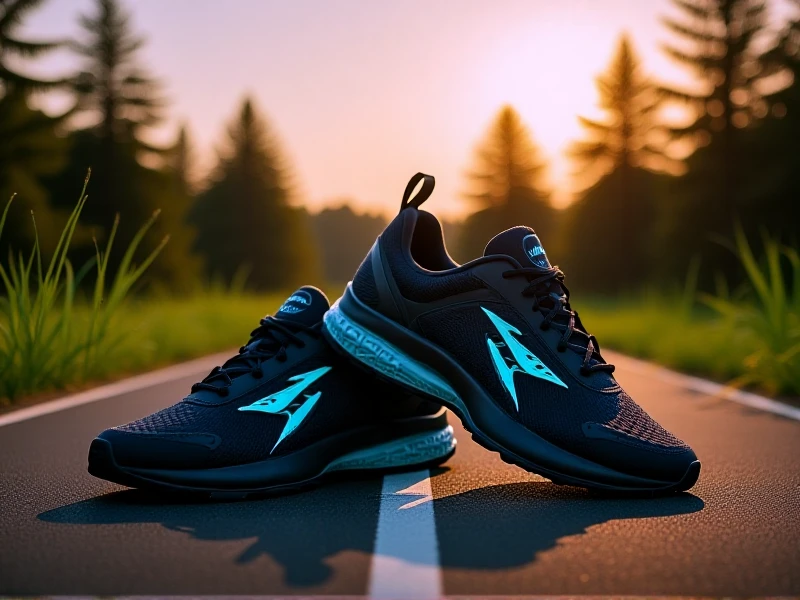
The Science Behind Choosing Perfect Running Shoes
SEO-Optimized English Article: "Running Shoes"
Finding the right running shoes isn't just about style; it's a critical decision impacting performance, comfort, and injury prevention. With countless options flooding the market, understanding your needs is key to selecting the ideal pair for every stride.
Modern running shoes are engineering marvels, tailored to different running styles and terrains. Key factors include:
- Foot Type & Gait: Overpronators benefit from structured stability shoes with medial support. Neutral runners often thrive in cushioned neutral trainers, while underpronators (supinators) need flexible, shock-absorbing models. Many specialty running stores offer gait analysis - highly recommended.
- Cushioning Level: Preferences vary widely. Maximum cushion absorbs impact for longer distances or heavier runners, offering a plush ride. Moderate cushion balances comfort and responsiveness. Minimal cushion promotes ground feel, suitable for experienced runners focused on form. Brands like Hoka (max) and Altra (foot-shaped, moderate-to-minimal) exemplify this spectrum.
- Drop (Heel-to-Toe Offset): Measured in millimeters, the drop affects how your foot strikes the ground. A high drop (8-12mm) reduces strain on Achilles/calf muscles. A low drop (0-6mm) encourages a midfoot/forefoot strike, demanding stronger lower leg muscles but potentially offering a more efficient stride. Top Nike Pegasus models often feature a traditional 10mm drop.
- Purpose & Terrain: Match the shoe to the activity. Daily trainers offer versatility for most runs. Lightweight racers boost speed on race day but sacrifice durability. Trail running shoes feature aggressive lugs and rock plates for off-road stability. Brands like Salomon dominate rugged trail options. Consider specific surfaces: asphalt versus trails.
- Fit is Paramount: Always prioritize fit. Sizes differ between brands. Your ideal pair should have about a thumb's width of space beyond your longest toe. Heels should lock securely without slippage. Midfoot width should feel supportive, not tight or pinching. Visit a store later in the day when feet expand slightly.
Innovation continues: eco-friendly materials from Adidas (Primeblue), advanced foams improving energy return (Nike ZoomX, Puma Nitro, ASICS FF BLAST ), and enhanced sustainable practices. Prioritize fit and function over trends.
Replacing shoes before they wear out is crucial. Most are designed for 300-500 miles. Overused shoes lose cushioning and support, increasing injury risk. Listen to your body - persistent aches can signal expired shoes.
Invest in your running shoes. The right pair unlocks comfort, boosts performance, and helps you run longer, stronger, and injury-free. Test them thoroughly before committing. Your feet (and pace) will thank you.